
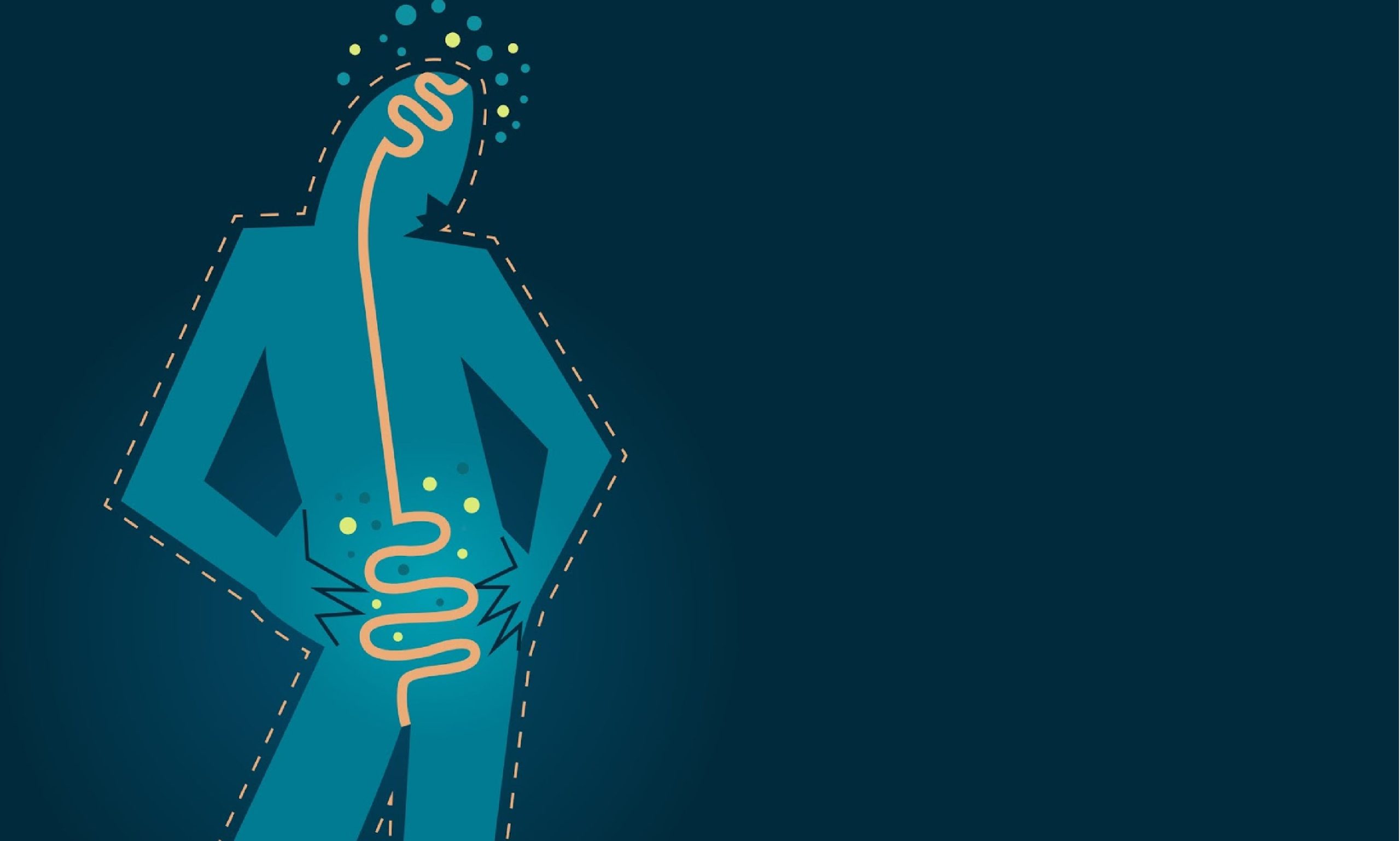
The human digestive system plays a central role in maintaining overall health and well-being. Every day, the body relies on this complex system to break down food, absorb nutrients, and eliminate waste. While digestion often happens without much conscious thought, it is an essential process that supports many important functions throughout the body.
Understanding how the digestive system works can help people make informed lifestyle choices that contribute to long-term wellness.
The Journey of Food Through the Body
Digestion begins the moment food enters the mouth. Chewing breaks food into smaller pieces, making it easier for enzymes in saliva to begin the process of breaking down carbohydrates. Once swallowed, food travels through the esophagus and enters the stomach.
The stomach uses digestive acids and enzymes to further break down food into a semi-liquid substance. This mixture then moves into the small intestine, where the majority of nutrient absorption occurs.
The small intestine is lined with tiny structures called villi, which help absorb vitamins, minerals, proteins, carbohydrates, and fats. These nutrients are then transported through the bloodstream to various parts of the body where they support energy production, tissue repair, and other essential functions.
Finally, remaining material moves into the large intestine, where water is absorbed and waste products are prepared for elimination.
The Role of Helpful Microorganisms
The digestive tract is home to a wide range of microorganisms, sometimes referred to as the gut microbiota. These microorganisms play an important role in digestion and help support the balance of the digestive environment.
A balanced microbial environment can assist with certain digestive processes and may contribute to overall comfort after meals. Researchers continue to study how these microorganisms interact with other systems in the body.
Digestion and Nutrient Absorption
The body depends on digestion to transform food into nutrients that cells can use. Without effective digestion, even a nutrient-rich diet would not provide the body with the resources it needs.
Proper nutrient absorption helps support:
- Energy production
- Muscle function
- Immune system activity
- Cellular repair and maintenance
This is why digestive health is often considered a foundational part of overall wellness.
Lifestyle Factors That Influence Digestion
Several everyday habits may influence how well the digestive system functions. These include dietary choices, hydration levels, physical activity, and sleep patterns.
For example, consuming a variety of whole foods that contain fiber may help support normal digestive processes. Drinking enough water can also assist the body in processing nutrients and maintaining healthy digestion.
Regular movement throughout the day may also help support normal digestive activity.
Supporting Digestive Awareness
While occasional digestive discomfort can occur in everyday life, maintaining awareness of digestive habits can help individuals better understand how their body responds to different foods and routines.
Simple habits such as eating meals at consistent times, chewing food thoroughly, and maintaining balanced dietary patterns may help support digestive comfort over time.
A Foundation for Overall Well-Being
The digestive system does more than simply process food. It provides the body with the nutrients necessary to support energy, growth, and everyday functioning.
By understanding the role of digestion and adopting balanced lifestyle habits, individuals can support their digestive system as part of a broader approach to long-term health and well-being.